Fence Builder Guidance for Historic and Heritage Characteristics
Historic websites ask even more of a fence than the majority of home owners recognize. The line in between personal privacy and preservation, in between security and narration, obtains thin around old residences, cemeteries, ranches, and civic landmarks. A good fencing on a heritage residential property reads as if it has actually always existed, yet it executes to modern-day expectations. That takes study, restriction, and a willingness to do a couple of things the sluggish way.
I have actually worked alongside preservation designers, town historians, and traditional metalworkers on jobs dating from the 18th to the very early 20th century. The very best outcomes come when a Fence builder comprehends they are not simply confining area, they are editing an item of history. Below is the playbook I have actually improved, filled with difficult lessons, workarounds, and the judgment calls that different a considerate fencing from a pricey mistake.
Start with what the residential property is informing you
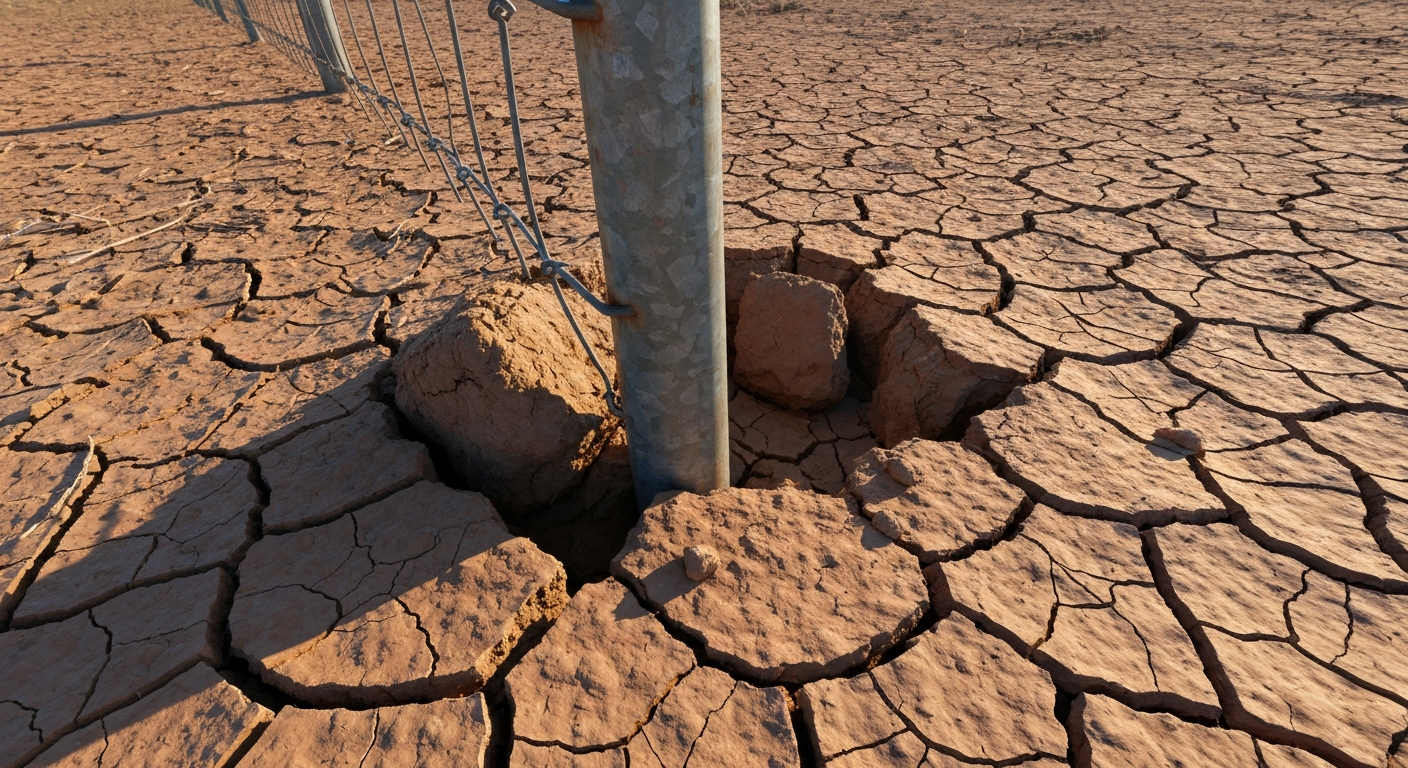
Before picking up a tape measure, read the site. Old residential properties telegraph their background in marks and positionings. Granite bounds hidden in turf, a set of stone cheek wall surfaces without any gateway between them, iron pintles still embeded in a block pier, a run of lavenders that when tracked a paddock line. I have actually located fencing article stubs rotted flush with the dirt two feet inside a pathway, which clarified why every new message maintained heaving when set at the curb.
Treat the building data the same way a conservator would certainly. Pull the deed map, very early photos, fire insurance coverage atlases, and tax obligation analyses. If the property beings in an assigned district, the old road elevation drawings will often reveal fence patterns block by block. I when matched a 1912 split railway on a New England farmhouse just by counting imprison a postcard and scaling the elevation against the front stoop.
When Fencing Contractors take this detective work seriously, the rest of the task falls into place. Proportions, picket spacing, message places, and gateway turn instantly make sense since they come from the residential property's previous logic.
Know the policies and who implements them
Heritage work lives under layers of review. Miss one, and you can shed months.
Most historic compensations make use of a Certificate of Suitability for exterior modifications noticeable from the general public way. Some evaluation noticeable side yards, a couple of testimonial back lawns that encounter a lane or water. Outside the metropolitan body, state conservation offices weigh in on properties detailed on a register when public financing or easements are involved. If the site rests on a historical level of sensitivity map, anticipate conditions for excavation and monitoring.
Timelines matter. Numerous payments meet month-to-month with submission due dates a couple of weeks in advance. Bring scaled drawings, details for blog posts and pickets, finish samples, and a brief note describing exactly how the layout relates to the district's duration. A Fence Contractor who appears with a glossy magazine and a shrug spooks a board. A Fencing Installer who shows up with measured illustrations, a packet of precedent photos from the block, and a sample picket in the proper account tends to obtain an environment-friendly light.
Zoning adds its own constraints. Elevation limitations at the sidewalk, corner presence triangles, and obstacles can defeat what the historical illustrations reveal. I have actually discussed compromises like a lower street run making use of the original pattern, with a taller but evaluated fence better back to please privacy concerns without disturbing the road view.
Materials that age on purpose
Modern materials guarantee absolutely no maintenance. Historic residential properties require controlled aging. You want finishes that take a patina and hardware that can be repaired in position. There are solid choices in wood, iron, and masonry, and there are a couple of brilliant hybrids.
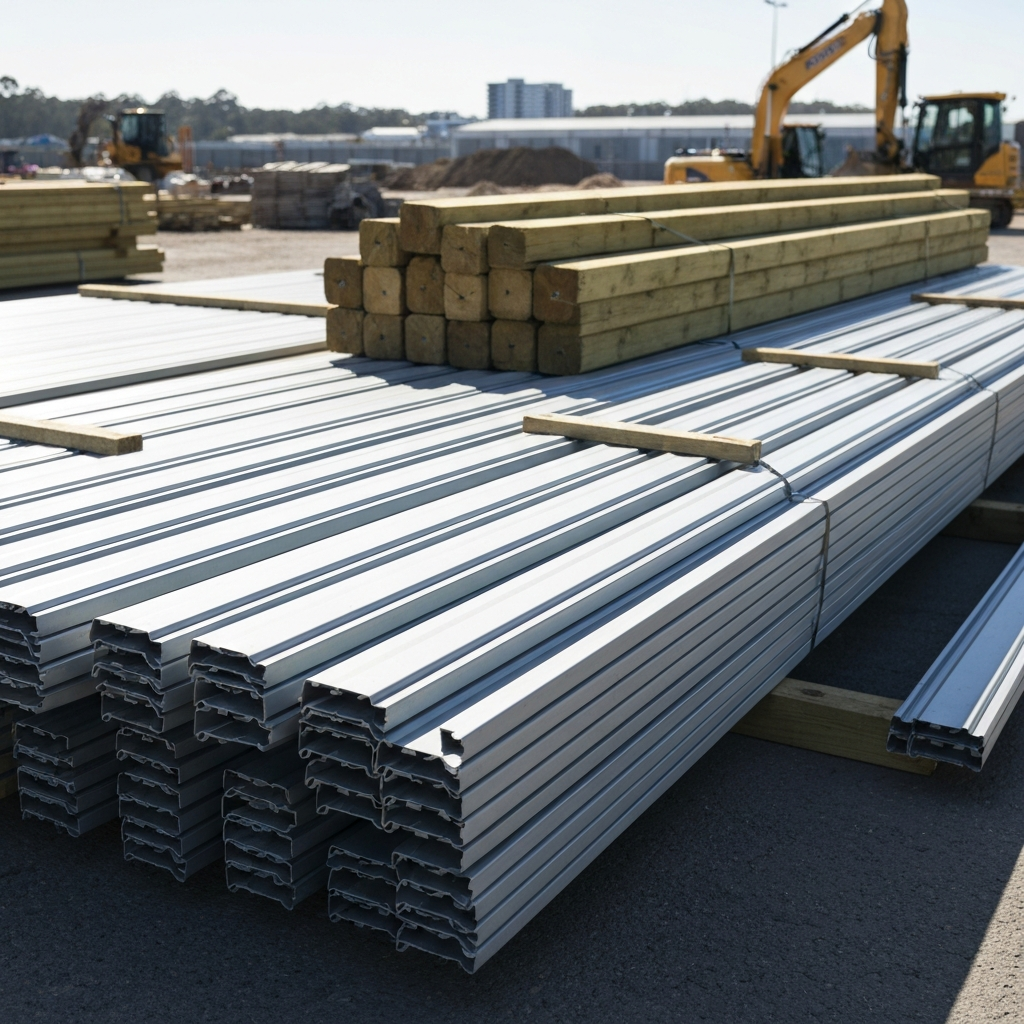
Wood: White oak, black grasshopper, and western red cedar bring themselves well outdoors. Grasshopper and oak stand up in-ground much better than yearn, also when dealt with. Cedar climates to a silver that sits quietly against block and clapboard. If you are replicating 19th century pickets with a lamb's tongue or chamfered top, reduced the profiles with sharp knives and very little fining sand to keep the crisp shadow line that reviews period. Old fencings frequently used wider pickets, 3.5 to 4 inches, and a tighter spacing than the existing default. On one Greek Resurgence, we replicated a 3 inch on facility rhythm that transformed the exterior from suburban to right.
Iron and steel: Real wrought iron has ended up being unusual, however the majority of heritage job can be done with light steel if you appreciate percentage and joinery. Secured or collar connections, not only welds, look right and move much better with the periods. Warm dip galvanizing under a quality alkyd or linseed oil paint yields the most flexible upkeep cycle. Powder covering looks ideal on day one and can chip at the edges on an old residential property with changing grounds. When we reconstructed a Victorian spear top fence along a sandstone cemetery, we matched the initial finial casting, went heavy on zinc, after that combed on a satin black oil paint. Eight years later it checks out as always-there, with a soft luster that contemporary gloss can not fake.
Masonry: Brick and stone piers play a larger role in heritage settings than the fencing panels themselves. New piers should match bond and tooling, not just shade. If the site has lime mortar, maintain to lime. Portland abundant blends lock up rock and bring about spalling in a few winters. I have established new message sockets into historical rock plinths with lime, leaving a relatively easy to fix lead pack under the shoe. A future Fencing Installer can warm and lift without injuring the stone.
Hybrids: For seaside or high salt websites, we have used silicon bronze fasteners on wood rails and hidden stainless within steel blog posts. The outside stays visually proper, but the skeleton resists the chemistry that consumes lower integrate in 5 to ten years.
Craft that avoids the plastic look
Historic neighbors can smell prefab. The trick is not expenditure for its own purpose, however informing details and sincere assembly.
Profiles and proportion: A lot of vinyl packages miss the collective impact of little choices. The rails are unfathomable, the pickets too level, the post caps too big. Despite timber, a modern 1.5 inch rail reviews beefy compared to an old 1.25 inch rail with a hand planed chamfer. On a Government style townhouse, we cut a 3/8 inch trait at each message edge and dropped the leading rail a hair listed below the cap to develop a shadow. Visitors can not describe why it really felt right. It just did.
Fasteners and links: Hide modern screws where possible. Via tenons with wedges on entrance rails are both stunning and strong. Where safety and security demands steel inside a timber gate, allow the strap hinges and pintles really lug weight as opposed to being attractive overlays. I would rather see an easy riveted band that functions than a luxuriant laser cut joint glued on top of a sagging frame.
Finish: Limewash over timber pickets existed, specifically on ranch fence, and it resolves right into open grain the means polymers never ever do. On iron, prevent thick film develops that fill the crisps of a spear or grow. Cleaned oil systems maintain the shape alive.
Foundations that respect archaeology and roots
Digging on historical land is never simply a hole. It can be an archive or a root system you can not replace. I have actually had projects stop for a week when a blog post auger struck an unexpected line of oyster coverings that noted a midden. In a cemetery, penetrating discovered a row of unmarked graves close to a side fencing that steered us internal by 2 feet.
Set messages where they do the least harm. Hand dig in delicate areas, even if it slows manufacturing. Switch to narrow, much deeper outlets when you require much less surface disruption. If tree origins run the line, balance out articles and drift rails in between them, or use steel channel shoes bolted to grade light beams poured outside the vital root zone. It sets you back more. It likewise maintains a 150 year old linden alive.
On block walkways or historical rock wall surfaces, prevent core exploration whenever feasible. Sleeve over a shoe anchored right into mortar joints or a new footing behind the wall surface, then bridge. Reversibility is not simply a wonderful word in an application, it is a useful hedge for the next generation who might remove or move the fence.
Getting gateways right
Gates imitate a thesis declaration. A sloppy gateway refutes the whole fencing. Historic gateways did not conceal their workings, yet they turned real and remained by doing this due to the fact that the joinery and iron matched the loads.
Proportion and swing: Pedestrian entrances in the 18th and 19th centuries were typically narrower than today, 30 to 36 inches as opposed to 42. Drive gateways were modest by contemporary criteria as well, closer to 8 or 10 feet per fallen leave than the 12 foot monsters we currently see. When local codes require broader openings, maintain the stile and rail measurements in scale so eviction does not check out bloated.
Hardware: Strap joints, pintles set right into stonework, and decline bolts into rocks are all fair game. If you use springtime latches or modern-day closures, bury them in the stile, not added the face. In seaside towns, tumbled bronze or black oxide jobs without screaming brand-new. On a Georgian townhouse, we machined brand-new gudgeons to thread right into old leaded brick, then backed them with discreet steel plates inside the pier to spread the load without showing.
Automation: Occasionally you require very discreet power for accessibility control. If the website enables, hide a reduced voltage raceway behind the line and utilize a straight actuator put behind a return. Maintain it serviceable. I have actually gone back to a lot of jobs where a sleek electric motor died and nobody might open the gate without tearing right into historic material. Keep manual override, always.
Matching fence design to period and place
Labels like Colonial, Victorian, or Artisan hide a great deal of subtlety. Design to street and website, not a generic idea of the period.
Early American farms: Split rail, article and rail with mortised grasshopper messages, or basic board fencings held up from the roadway really feel authentic. Rails at 10 to 11 feet keep a long run from looking also active. If pets are not component of the program, conceal wire inside to satisfy contemporary codes yet protect the open rhythm.
Federal and Greek Rebirth condominiums: Fragile iron spear tops, lamb's tongue pickets, and reduced brick plinth wall surfaces with narrow caps match this era. Timber pickets can work where budget plan needs, yet maintain the profile slender and the spacing tight so the fencing reviews as a continuous line instead of a picket parade.
Victorian public homes: This is where spirit is enabled, as long as the fencing continues to be a frame, not the paint. Finials, scalloped rails, and cast accessories along a park edge can sing if they adhere to a repeated meter and do not overload the building.
Craftsman and very early 20th century: Square pickets with minor tapers, superficial arc entrances, and low stucco or rock piers with held up infill reflect the hand made values of the period. Avoid fake board aboard personal privacy walls at the street. If privacy is important, tip the height and layer with hedging so the fence becomes part of a garden space rather than a barricade.
Where modern codes rub against old aesthetics
Life safety has actually boosted since the 1800s, and some regulations are not flexible. The art depends on satisfying them without torpedoing the look.
Pool obstacles near a historical home can be the most fragile arrangement. Use a dual band of rails and narrower picket spacing to satisfy climb and gap regulations, then keep the barrier inside growing so the historic elevation checks out without a modern-day grid at the pathway. We when wove a 4 foot pool fencing through hornbeam hedging with stile and rail profiles borrowed from the front gateway. Inspectors mored than happy, and from the street the fence just vanished.
On inclines, avoid stair tipping pickets that produce an up and down rhythm foreign to old roads. Rake the fencing to comply with quality. If the modification is serious, licensed experienced fencing contractor break performs at piers so the eye checks out areas, not saw teeth.
Truth concerning maintenance and cost
Clients request for permanently materials. Old communities do refrain from doing for life, they do repairable. A steel, wood, and lime system wears, after that it refreshes in pieces instead of requiring wholesale replacement. Budget for repainting cycles. Expect first repaint on steel after 7 to 12 years if prepped and painted correctly, faster near the sea. Wood requires repair at 3 to 5 years, complete layers at 6 to 8, depending upon exposure. Prepare for equipment lubrication and hinge pin talk to the periods. A trustworthy Fencing Installer will put this in composing so nobody really feels stunned when the calendar comes around.
Upfront, an appropriately described heritage fencing sets you back greater than a kit. In my books, a well crafted steel and wood assembly along 60 straight feet with one pedestrian gateway and one drive gateway can run 1.5 to 3 times the rate of a commodity system. The less costly choice usually looks incorrect from day one and ages badly. The far better develop gains self-respect with time and values the road. Resale and neighborhood goodwill are not tiny currencies.
When to replicate and when to reinterpret
Not every building requires a rigorous reproduction. Some historic lines were lightweight or simply practical. A ranch fencing at the road of a dense area can feel slim, while a reduced wrought fence on a country farmhouse can feel pretentious.
Here is the guideline I use: if the residential property has a clear surviving language in its wall surfaces, windows, trim, and website attributes, let the fence comply with that language very closely. If the structure has actually lost a lot of its original information through previous restorations, go for a quiet, well proportioned fence that responds to the period without making believe to be original. I favor sincere, understandable work over faux antiquing. No distressing wood with chains. No splashed on aging. Time will do that for you.
Working with next-door neighbors and boards
Heritage districts include notified neighbors who care. Use that energy. Share your intent early. When we recommended replacing a chain web link eye sore on a corner whole lot, we knocked on three doors with drawings and an invite to comment. One neighbor produced a photo of the street from 1948 that resolved the height dispute in our favor. Another explained a school bus sightline we had missed. The board appreciated that the discussion had happened prior to the hearing.
Boards are sensitive to criterion. If you ask for a higher fence than typically permitted, bring particular reasons, and suggest trade offs like growing or a more fragile profile. A Fence Contractor who can verbalize exactly how a layout sustains, not takes on, the area's goals has a tendency to get approvals others do not.
Execution on website without drama
Good heritage job is as much about what you do not damage as what you build. Tie off products to secure block edges. Lay down plywood paths over antique bluestone. Maintain hot job permits close if welding anywhere near wood framing. Protect plants that might be older than your home. After a long day setting blog posts on a courthouse square, we swept sidewalks and washed down dirt so the site read as appreciated, not invaded. Neighbors notice.
Here is a portable field list I provide every crew prior to setting in motion on a protected website:
- Confirm license set matches supplied products, including accounts and finishes
- Mark utilities and archaeological sensitivity zones, after that hand dig within those limits
- Photograph status quo and any kind of historic material near the job area
- Protect tree trunks and vital root zones with physical barriers and signage
- Stage products off historical paving and utilize padded get in touch with factors on stone or brick
Choosing the ideal partner
Not every Fence builder has the perseverance or craft for heritage work. Ask for instances, not simply references. Try to find a shop that can create customized accounts, comprehends hot dip versus cold galvanizing, and understands the distinction between lime and Rose city mortar. A savvy Fencing Contractor will certainly have a partnership with a blacksmith or steel shop that can replicate absent elements. They will be sincere concerning lead times for custom-made castings and do not flinch when a board requests for a mockup.
When you talk to Fence Contractors or Fencing Builders, watch exactly how they check out the residential or commercial property. If they head directly to the aesthetic without scanning the ground for old bounds or touching the brickwork, maintain looking. The best Fence builders lug a little level, a note pad, and an electronic camera. They gauge, then they listen.
A note on sustainability that fits the past
Historic residential properties were built with neighborhood products that might be repaired. That is sustainability at human scale. Choosing durable woods from liable sources, steel with recycled web content, and completes that do not seep toxic substances maps well onto preservation principles. A fencing that breathes, drops water, and can be taken apart without grinding is kinder to its context and to the future.
I favor solvent birthed alkyds on steel for very first coats due to the fact that they damp into the steel and seal cut sides. Water borne overcoats can go over them in milder climates. For wood, passing through oils with all-natural resins hold shade without forming a thick film that peels off. None of this belongs in a land fill within a years, and if you develop for disassembly, it will certainly not.
Real globe instances and what they taught me
A mid 1800s block condominium, metropolitan street: We replaced a stopping working 20th century barrier with a reduced steel fence and entrance, 36 inches high, spear tops from a pattern book utilized on the next block in 1890. Warm dip, oil paint, riveted rails. The board pushed for a taller fencing. We brought archival images showing the lower line. Approved as sent. Next-door neighbors began to paint their very own fencings to match, and the block acquired coherence.
A clapboard farmhouse on an edge whole lot: The proprietor desired personal privacy. A complete height strong fence at the road would have been incorrect. We developed a 40 inch picket along the walkway, after that tipped up to 6 feet inside a bush return. The tall area utilized staggered boards with 1 inch voids that check out as shadow, not wall. From the street, the house smiled once more. In the lawn, the proprietors obtained their quiet.
A churchyard with crumbling sandstone wall surface: The urge was to pour a concrete cap and screw on a steel fence. Rather, we relaid stones with lime, set actors shoes right into new job concealed behind, and perched a light run of steel pickets in maintaining with photos from 1905. The parish prepared to change in 20 years. 20 years on, I strolled by and saw repainting the fencing on a Saturday, still happy with it.
A simple setup day protocol that conserves projects
Heritage tasks unwind when little selections go wrong in the field. This is the series I educate every crew to comply with on the first day:
- Walk the line with drawings in hand and readjust centerlines to save roots and textile, tape-recording the changes
- Set stringlines and elevation controls to the lowest visible point from the general public means, not simply the residential or commercial property grade
- Excavate examination openings at periods to confirm soil and challenges, then call the supervisor prior to proceeding
- Dry fit one complete bay or entrance with clamps and shims, get customer or designer signoff, after that wage repetition
- Log every hidden problem with images and notes for the conservation file
What a heritage fence offers back
When the percentages track your house, when the articles fall where the ground wants them, when the gate swings with a peaceful self-confidence and the finish takes light rather than reflecting it, passersby slow down. They do not always understand why it really feels right. However the building stands taller, the yard really feels kept without being conquered, and the road holds with each other. That is the point.
The difference in between a kit and a crafted fence at a historical property is not simply steel thickness or timber grade. It is humility, persistence, and respect for how time deals with materials and places. The best Fencing Installer or Fence Contractor brings that mindset as high as they bring devices. If you have a residential or commercial property with a tale, employ for that sensibility. The fence will certainly review as component of the narrative, not an afterthought, and long after paint requires refreshing or a joint desires grease, the bones will certainly still be informing the best tale.